

5.11.2026
BSEU Hosts First Corporate Training Courses for Belarusian Passenger Transport Executives and Specialists
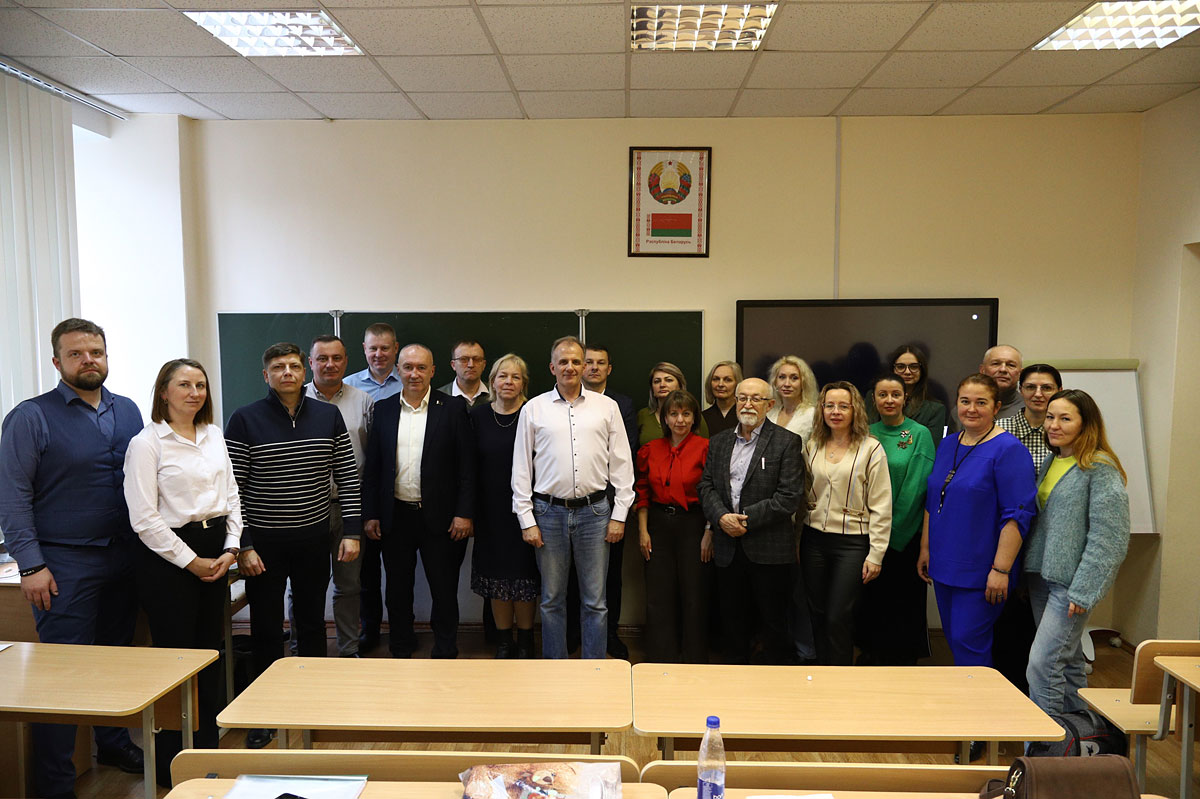
The Belarus State Economic University (BSEU) has concluded a unique professional development program titled "Applying Effective Strategic and Operational Management Practices to Optimize Public Passenger Transport Financing." The month-long program was held at the university for the first time.
Notably, these courses were part of a comprehensive set of measures aimed at enhancing the operational efficiency of road transport carriers—an initiative approved by the Minister of Transport and Communications of Belarus, Alexey Alexeyevich Lyakhnovich.
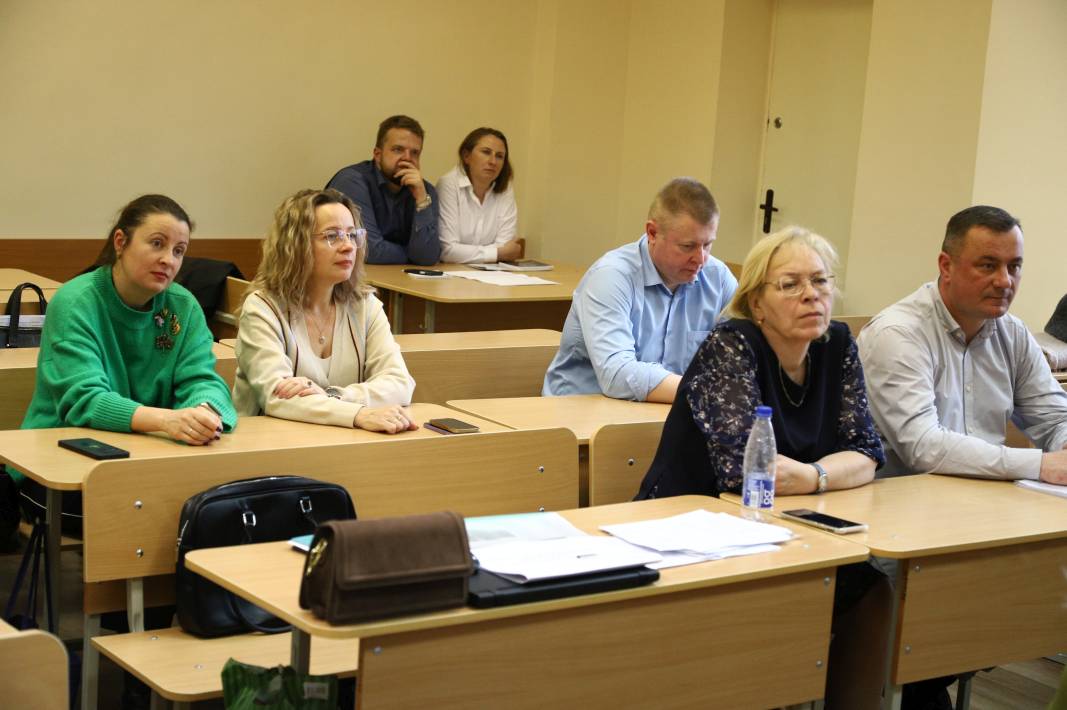
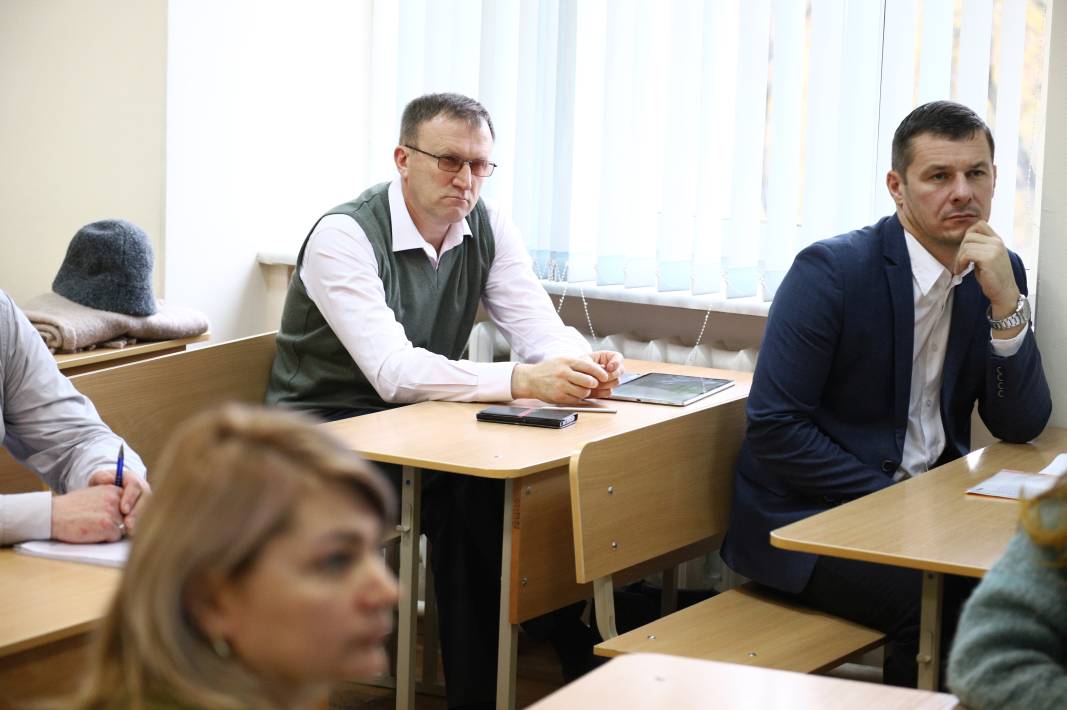
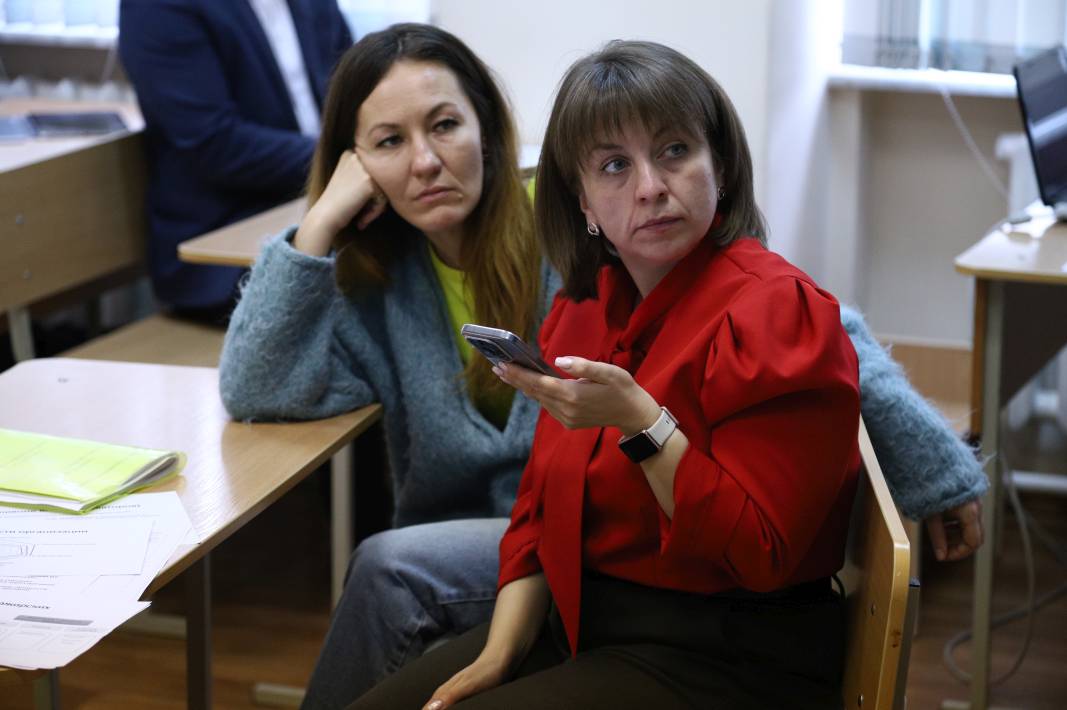
The training was conducted in a hybrid format, allowing participants to balance lectures and project work with their ongoing professional duties. A key feature of the program was bringing together all major stakeholders in the national passenger transport market on a single educational platform: transport commissioners (representatives from city and district executive committees), transport operators, and the carriers themselves (such as bus depots and other transport enterprises) from various regions across Belarus. The project was overseen by the Ministry of Transport and Communications of the Republic of Belarus.
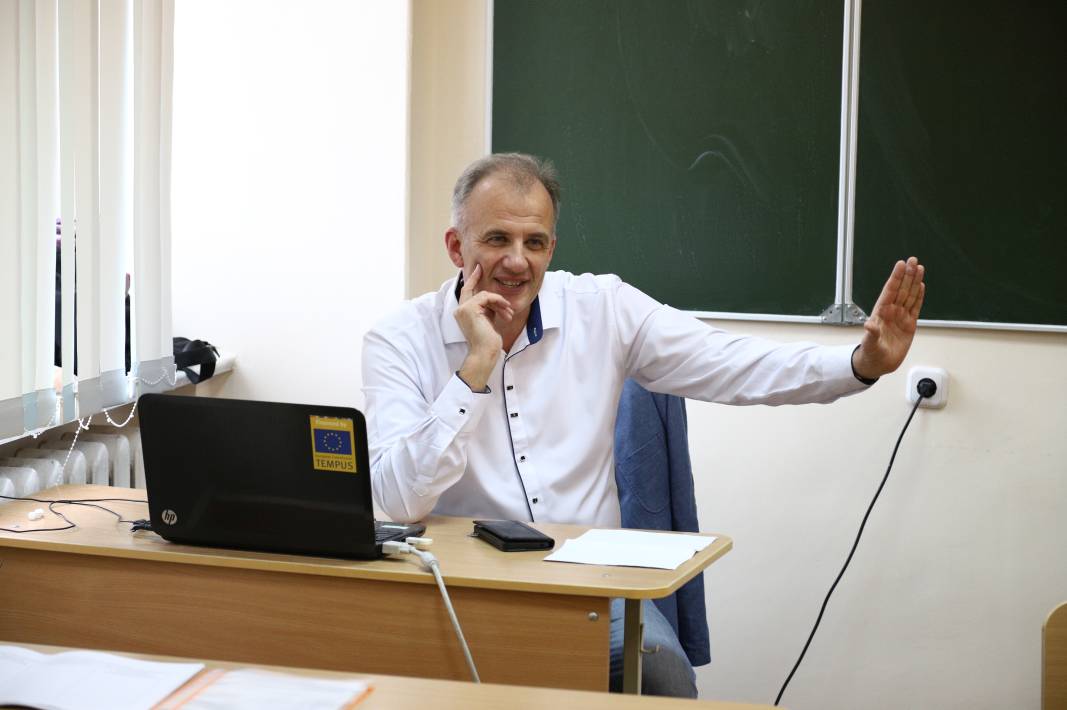
The sessions and the educational track were moderated by Andrey Valeryevich Korolyov—Head of the Department of Economics of the Agro-Industrial Complex and Nature Management at BSEU, Candidate of Economic Sciences, and Associate Professor—along with Alexander Dmitriyevich Voronin, Candidate of Technical Sciences.
Learning Through Case Studies: From Theory to Real-World Business
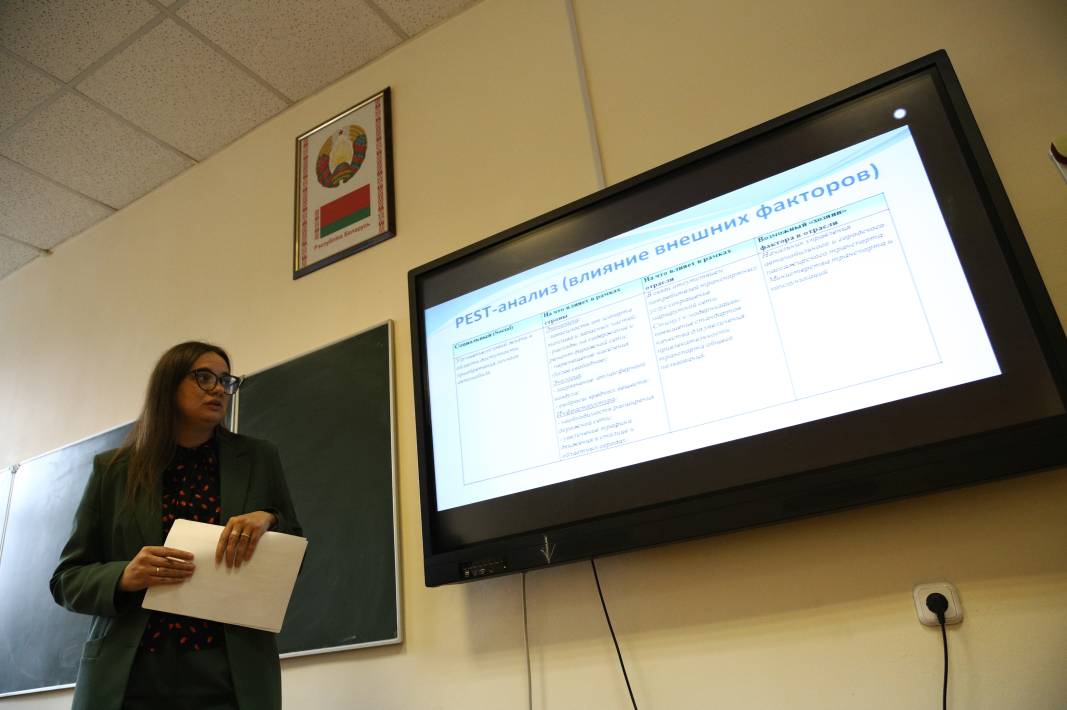
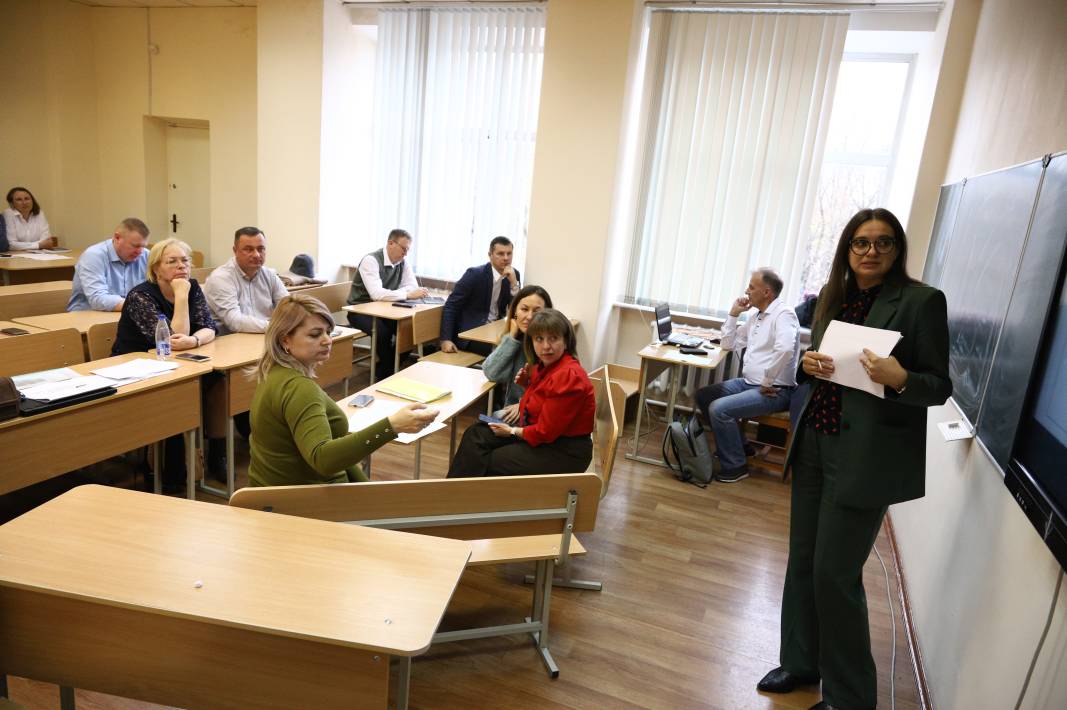
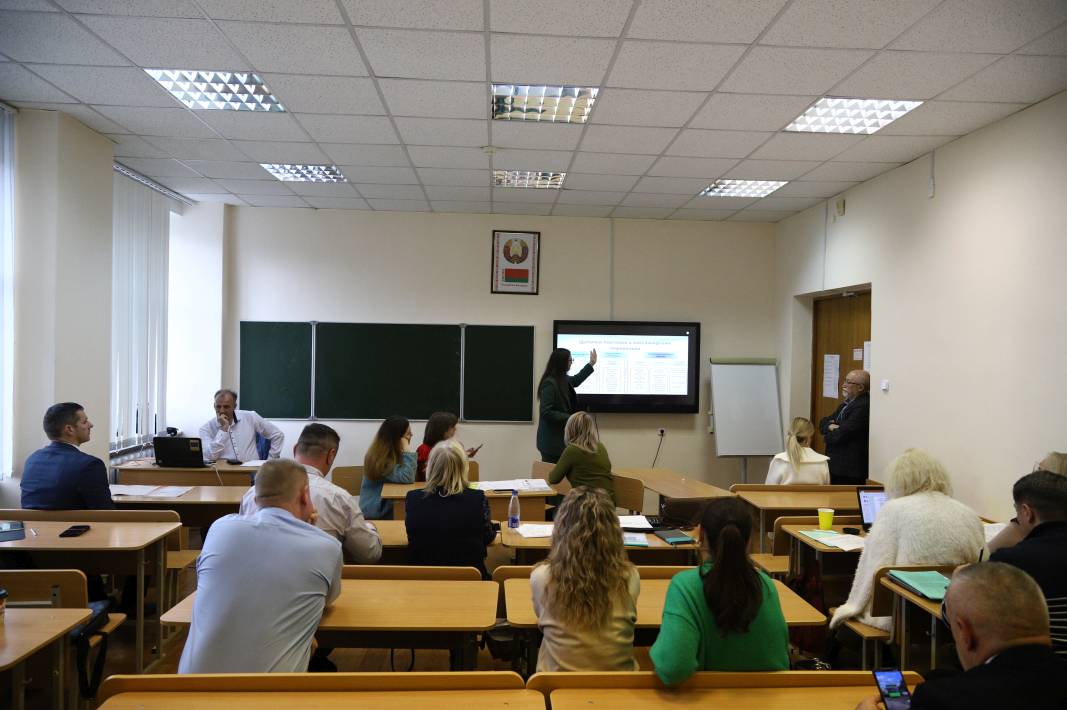
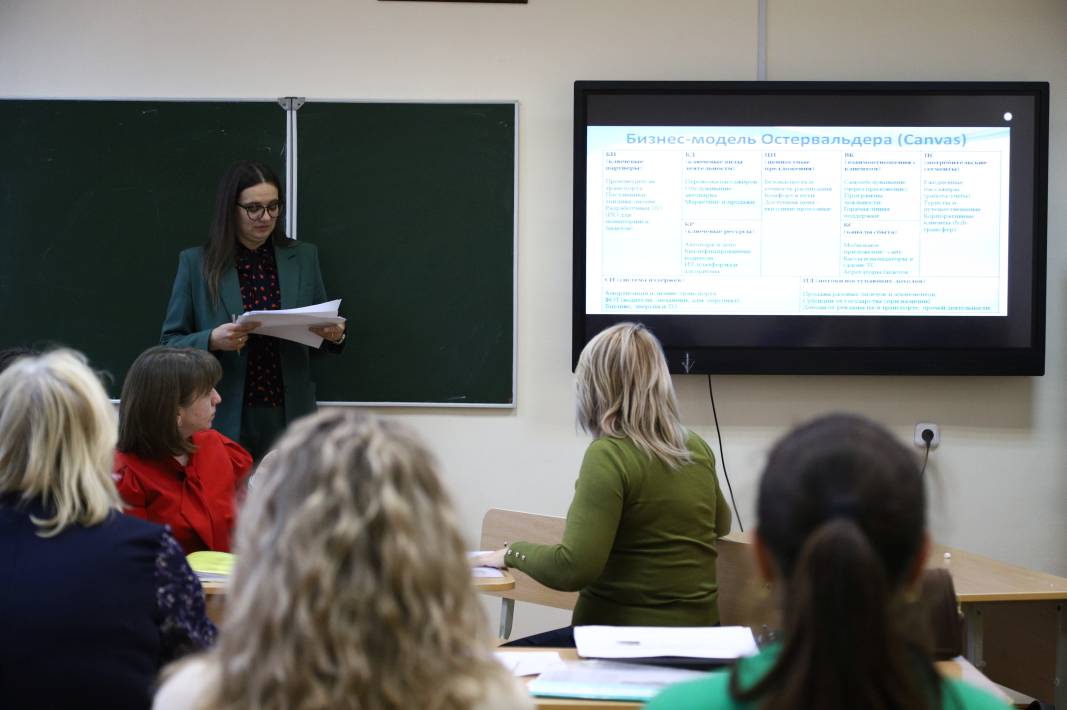
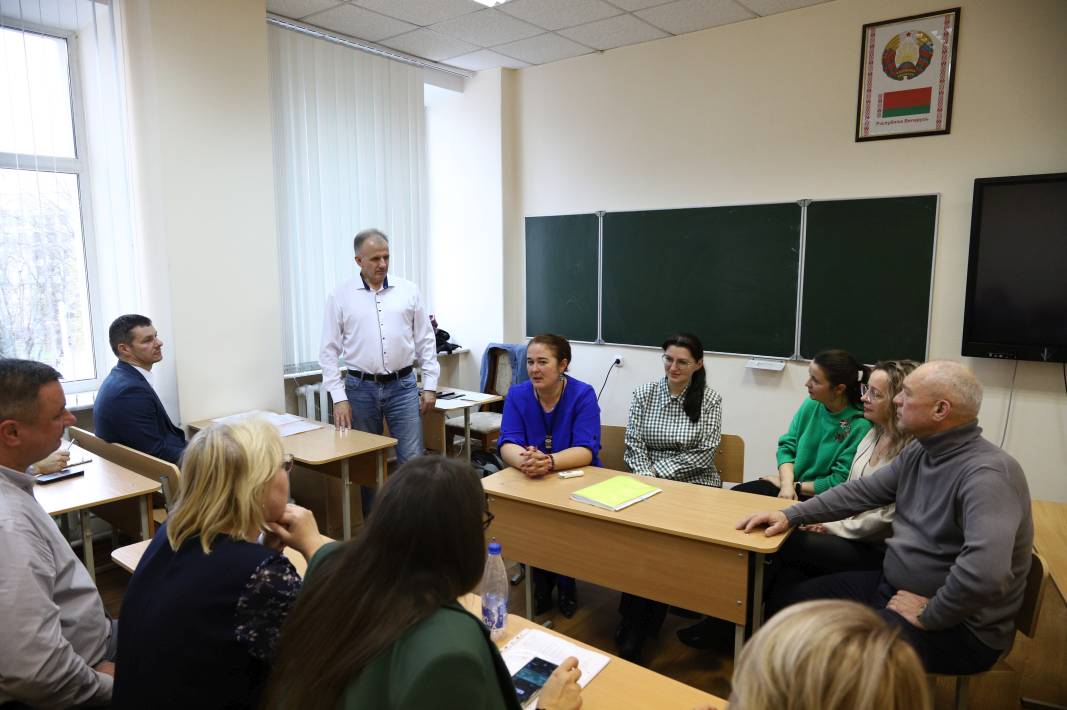
Moving away from traditional academic lectures, the program focused on interactive engagement and teamwork. Participants were organized into groups, bringing together representatives from different regions and organizations to collaboratively analyze economic challenges and develop effective solutions.
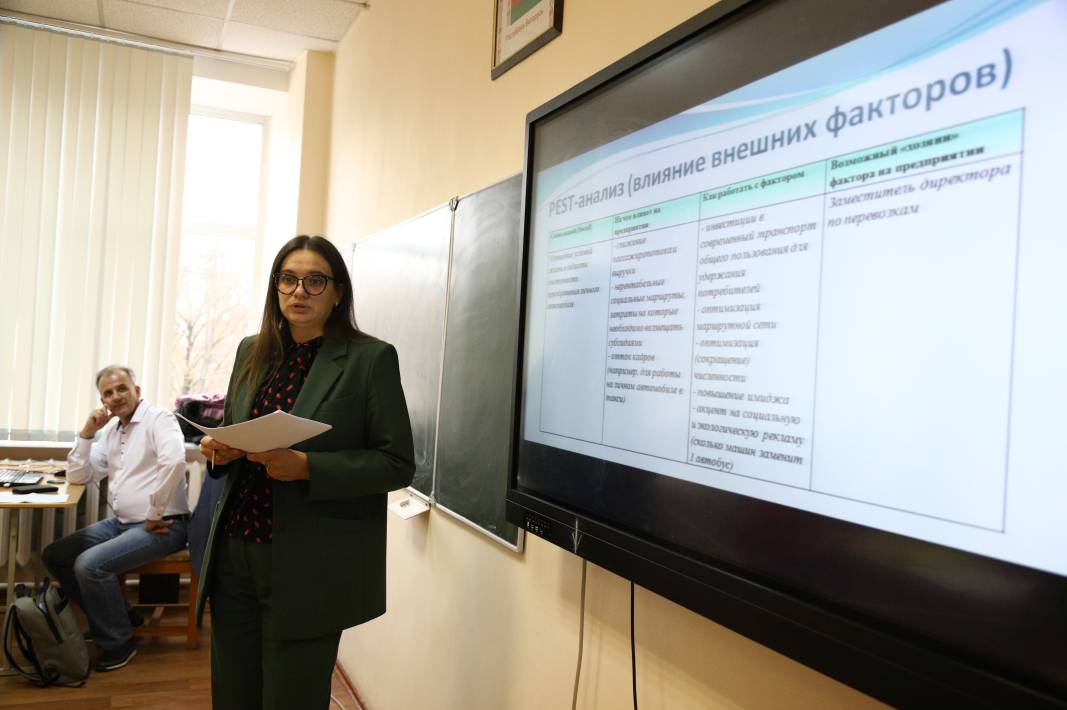
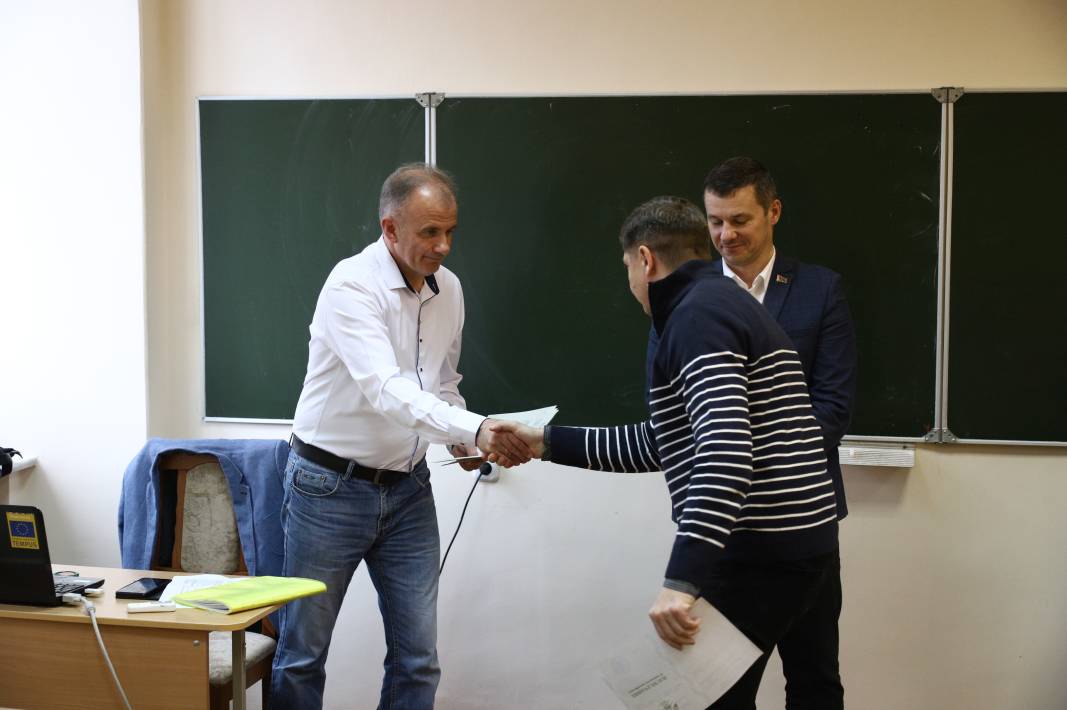
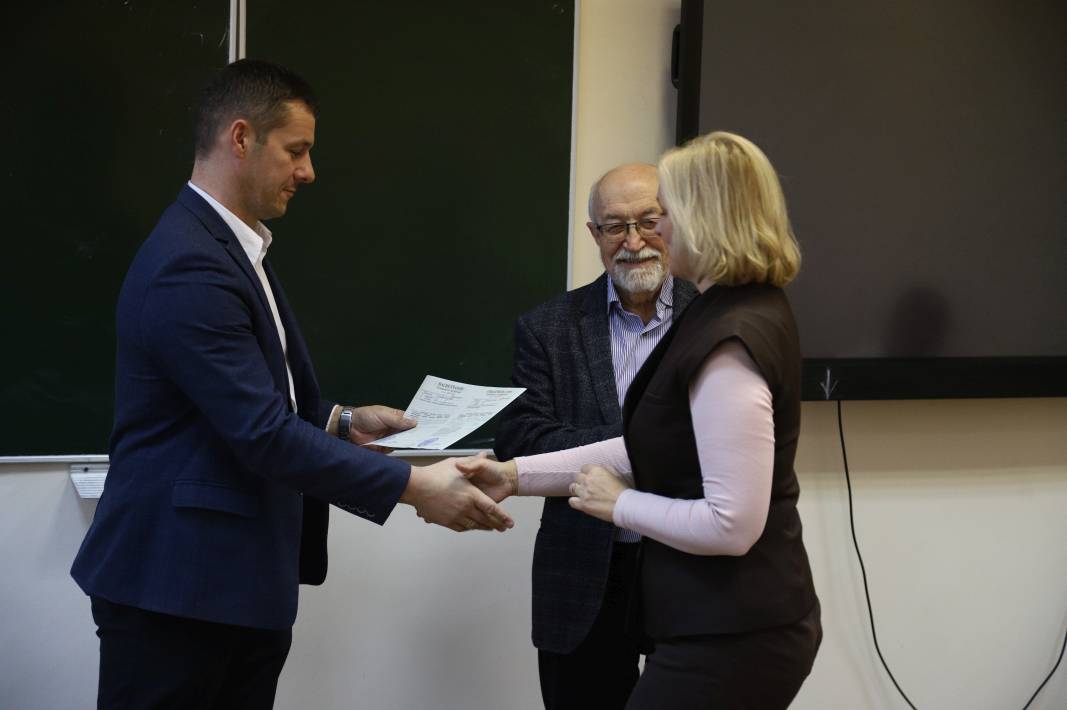
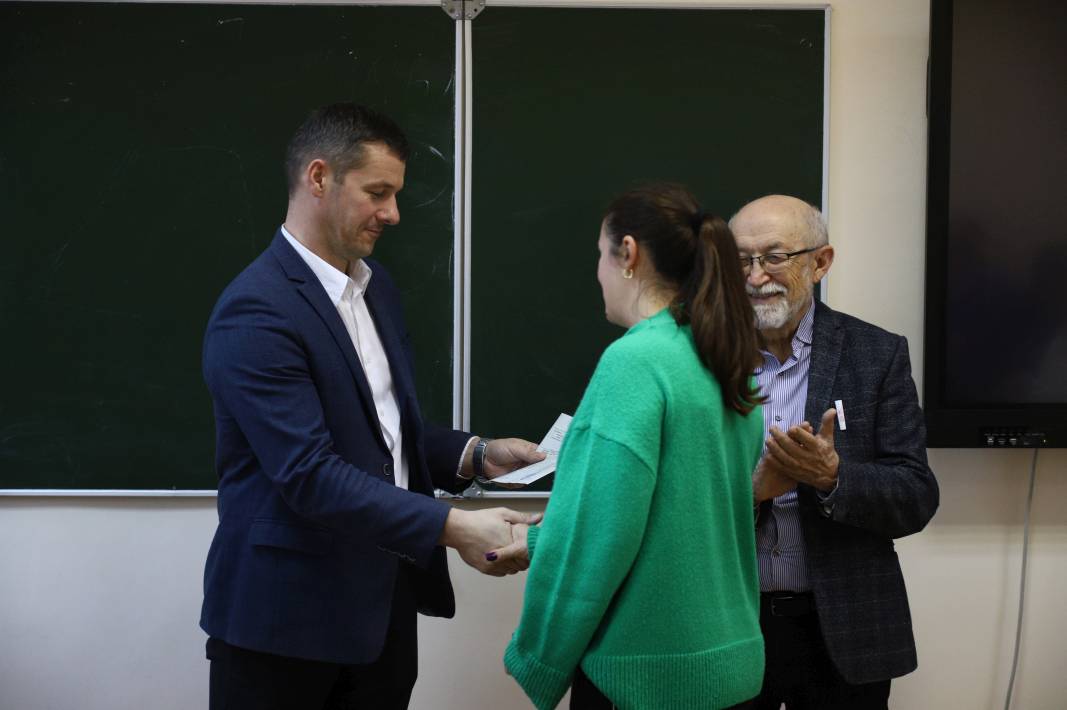
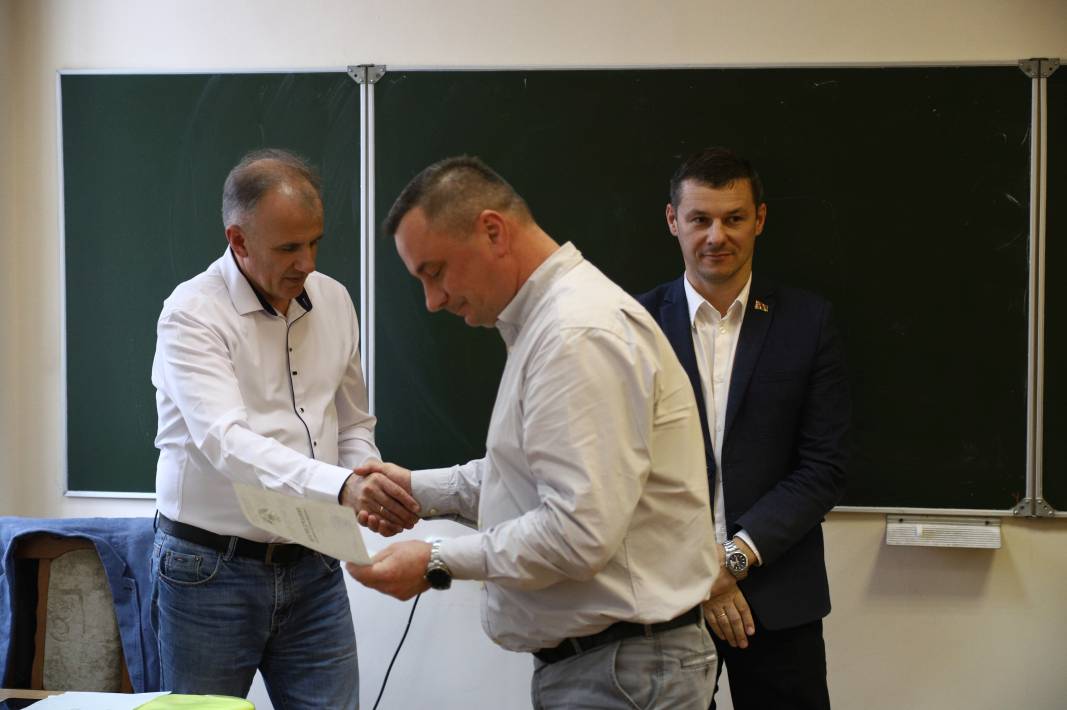
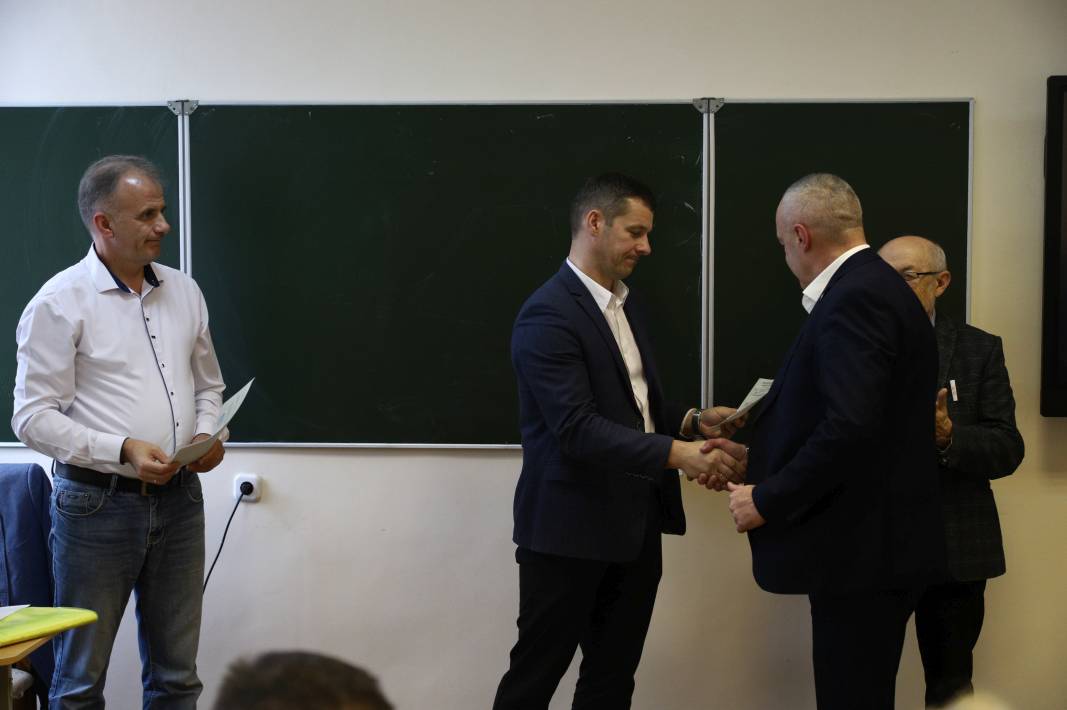
Each team selected a specific "focus enterprise" to serve as a case study. Using this real-world example, participants explored mechanisms for optimizing financing, applied principles of lean management, and utilized modern strategic management tools—drawing on both domestic practices and global best standards. The final stage involved teams presenting their group projects, which offered concrete, practical solutions for transport enterprises. Following these presentations, the participants were awarded state-issued certificates of professional development in a formal ceremony.
Insights from experts and practitioners in the transport industry:
Yury Stefanovich Khodanionok, Head of the Transport Development and Licensing Department within the Road and Urban Passenger Transport Directorate of the Ministry of Transport and Communications of the Republic of Belarus, noted:
"This marks an important first step toward discussing the economic challenges of passenger transport in detail—directly with those implementing operations on the ground. Transport authorities across all regions share similar pain points.
It was crucial to move beyond formal correspondence and meet in person at one of our country’s leading economic universities to truly engage with one another. We began with a foundational module: economics and finance. Looking ahead, similar courses and seminars are needed on topics such as procurement, fleet renewal, and other key areas. This dialogue—facilitated by the format proposed by the Belarus State Economic University (BSEU)—will help reduce operational challenges in the passenger transport sector and contribute to the development of unified operational standards across the entire republic."
Anzhelika Viktorovna Kudlatskaya, a representative of the Grodno City Executive Committee—which acts as a commissioner for passenger transport services—commented:
"In all my years of working in this field, this is the first time such a course has been organized. It brought the entire passenger transport chain—the commissioner, the operator, and the carrier—together in one place. The organization of route networks, approaches to financing, and even the number of operators vary significantly from one region to another. Sharing practical, real-world experience has shown us that we can learn from each other’s strengths. This kind of direct, professional interaction is vital for the industry."
Elena Vladimirovna Klimovich, Chief Economist at the Baranovichi Bus Depot (OJSC):
"Typically, professional development courses boil down to a dry study of legal and regulatory acts. Here, however, the key highlight was teamwork. Each group included representatives from all three roles—authorities (commissioning bodies), operators, and carriers. We debated, sought compromises, and ultimately arrived at a unified solution that the entire team could agree on. We were provided with an excellent foundation, covering everything from upcoming legislative changes to lean production methodologies and Kaizen. Our goal is shared: transport enterprises must operate with maximum efficiency and profitability, while passengers should be able to trust that a technically sound vehicle will arrive exactly on schedule and transport them comfortably from point A to point B."
Alexey Nikolayevich Zhogal, Director of the state-owned enterprise "Brestgortrans" (the passenger transport operator for the Brest region):
"Legislation clearly defines three main players: the commissioning authority, the operator, and the carrier. In practice, however, the regulatory framework is not always implemented consistently across different regions. During the courses at the Belarus State Economic University (BSEU), we successfully identified common ground and established a clear framework for interaction, ensuring that no party shifts its responsibilities onto others. Ultimately, the primary objective of all participants—improving the quality of passenger service—depends directly on how well this trio coordinates."
Outcomes and Future Prospects
The initial experience of conducting industry-specific corporate training at the BSEU for professionals in the transport sector has proven highly effective. By synthesizing academic economic theory, the regulatory mechanisms of the relevant ministry, and the practical, on-the-ground experience of managers, the program has yielded concrete, actionable solutions. There are plans to continue and expand the program to cover other critical areas within the transport sector.







International relations dep.
Tel.: (+375 17) 209-88-32,
e-mail: umoms@bseu.by
International students office:
Tel.: (+375 17) 209-79-71